
Clinical Research and
Evidence-Based Somatic Practice
My clinical practice is strictly intertwined with academic research. I believe that bridging the gap between scientific rigorousness and experiential somatic therapy is key to developing safe, effective, and modern mental health interventions.
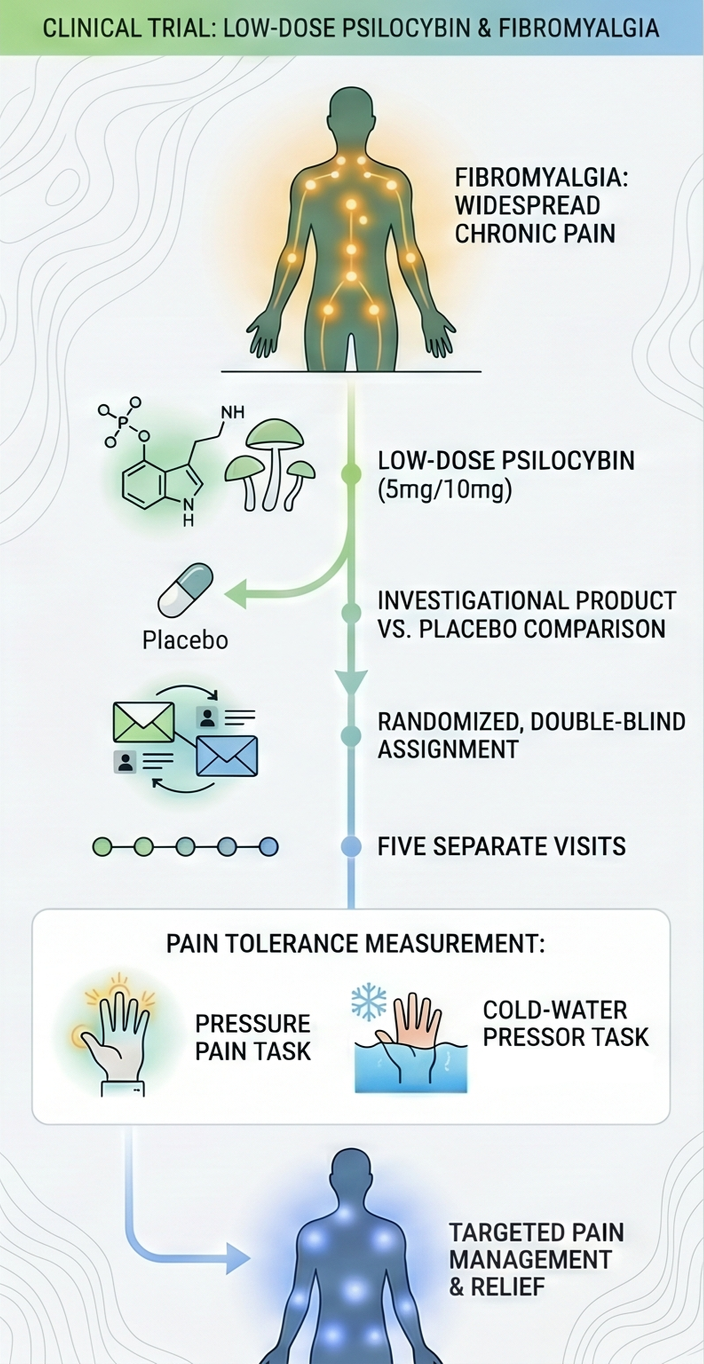
The impact of psilocybin on pain in fibromyalgia patients: a multicentre trial
Recruitment: closed
Status: Analysing data
Principal Investigators: Johannes G. Ramaekers, Kim P. C. Kuypers, Monique van Velzen
A multicentre clinical trial to investigate whether low doses of psilocybin can help manage the chronic pain associated with fibromyalgia.
In this study, we are testing the pain-relieving effects of 5 mg and 10 mg doses—dosages chosen specifically to provide relief without producing psychedelic effects or hallucinations. Participants received both psilocybin and a placebo across five separate visits in a randomized, double-blind design.
Throughout the trial, we measured pain tolerance using specialized pressure and cold-water tasks.
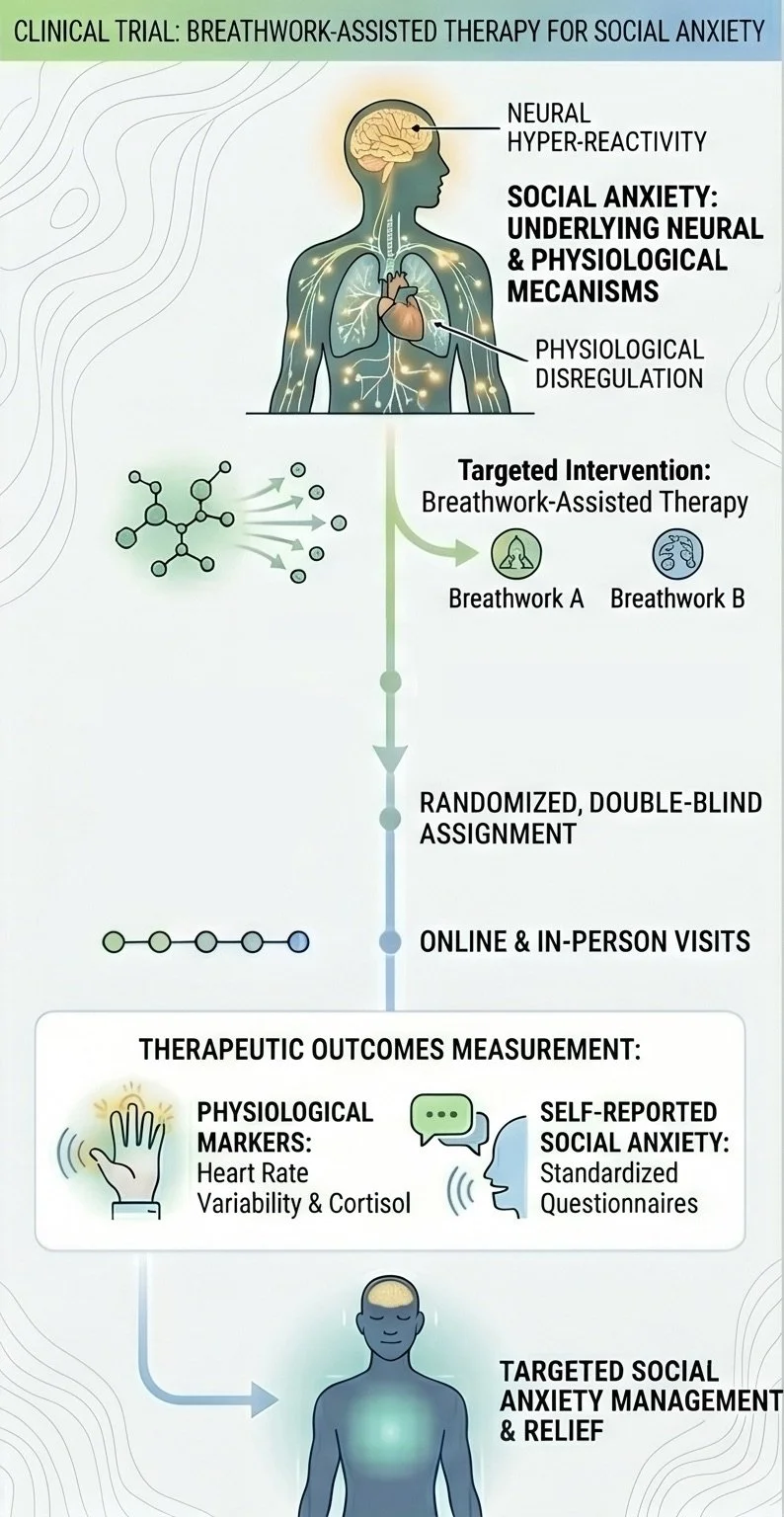
Breathe Hard to Breathe Easy: Online Breathwork-Assisted Therapy for Social Anxiety
Recruitment: open
Status: Testing
Principal Investigator: Kim P. C. Kuypers
Here we investigate a novel approach for treating social anxiety through online breathwork-assisted therapy.
Social anxiety affects approximately 13% of the population, and since many individuals do not respond to conventional treatments, we am exploring how inducing altered states of consciousness can improve therapeutic outcomes. In this randomized study, participants receive either high-ventilation breathwork or slow-paced breathwork.
The program consists of six online sessions, including preparation, breathwork, and integration phases, spanning about three weeks. By delivering the therapy entirely online, we aim to make treatment more accessible and reduce the shame often associated with seeking in-person help.
Throughout the process, we measure effectiveness by tracking self-reported anxiety levels and monitoring physiological markers, such as heart rate variability and cortisol, during structured social interaction tasks.
Publications
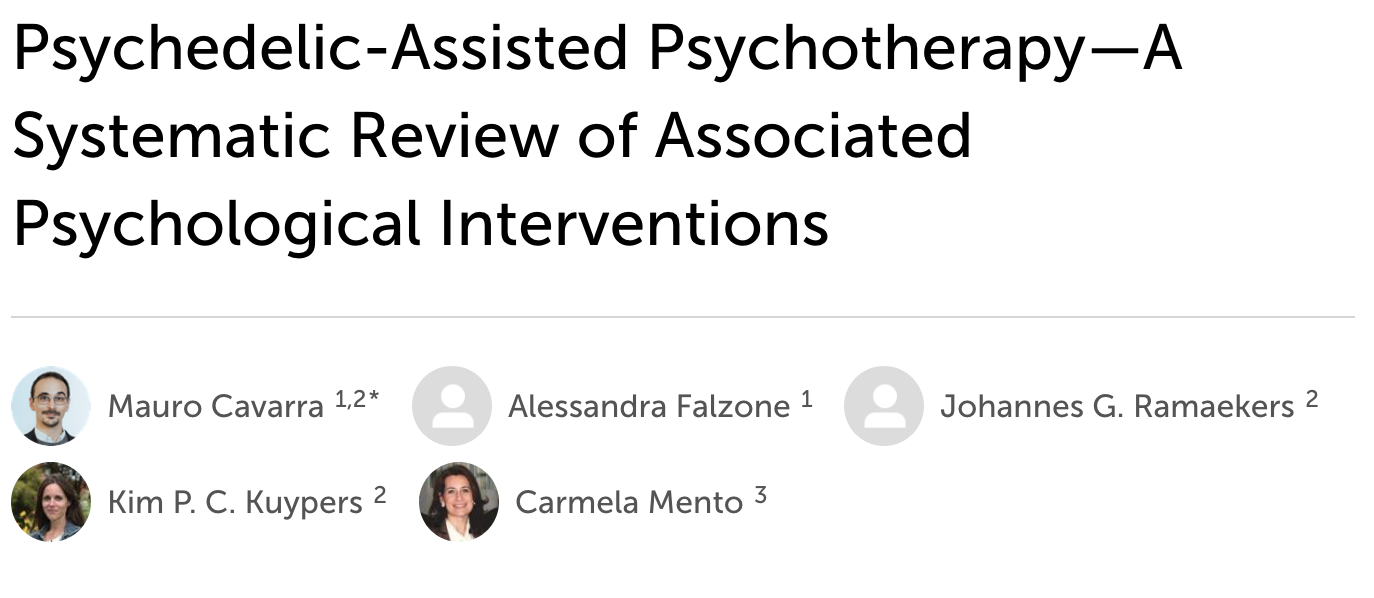
Here you will find a selection of my publications. Want to know more? Reach out with your questions or comments.


Contact
Fill in the form to get in touch.